Article
The Moroccan henna night: meaning, rituals and the role of the neggafa
Discover the symbolism of the henna night in the Moroccan wedding, how the ritual unfolds, the motifs and the central role of the neggafa.
What does henna symbolize?
In Moroccan culture, henna carries a deep symbolism tied to joy, blessing and protection. The henna night marks the start of the celebrations around the bride and offers women the chance to gather around her with wishes for a happy married life. More than mere adornment, it is a symbolic rite of passage from single life to a new life.
When does the henna night take place?
The henna night usually takes place one or more nights before the wedding day, in an intimate family atmosphere. The hall is laid with rugs and cushions, pastries and tea are served, and the bride often wears a green caftan, since this color is associated with blessing and goodness in Moroccan tradition.
How the ritual unfolds
The ritual begins with preparing the henna paste, then the “naqacha” draws the motifs on the bride’s hands and feet. This is accompanied by traditional songs and heritage melodies. A coin or a piece of sugar is often placed in the bride’s palm after the design, as a sign of prosperity and the sweetness of shared life.
Motifs and their meanings
Henna motifs range from the very fine Fassi style to the Saharan motif with geometric lines and the modern motif inspired by contemporary ornaments. Each style has its beauty, and many motifs carry meanings of protection, fertility and good omen; they are chosen according to the bride’s taste and the region.
The role of the neggafa
The neggafa plays a central role on this night: she supervises the bride’s adornment, the harmony of the caftans and the sequence of rituals. Her experience gives the evening its solemn character and ensures respect for details handed down through generations, from the outfit to the way the bride is presented to her guests.
Between authenticity and a modern touch
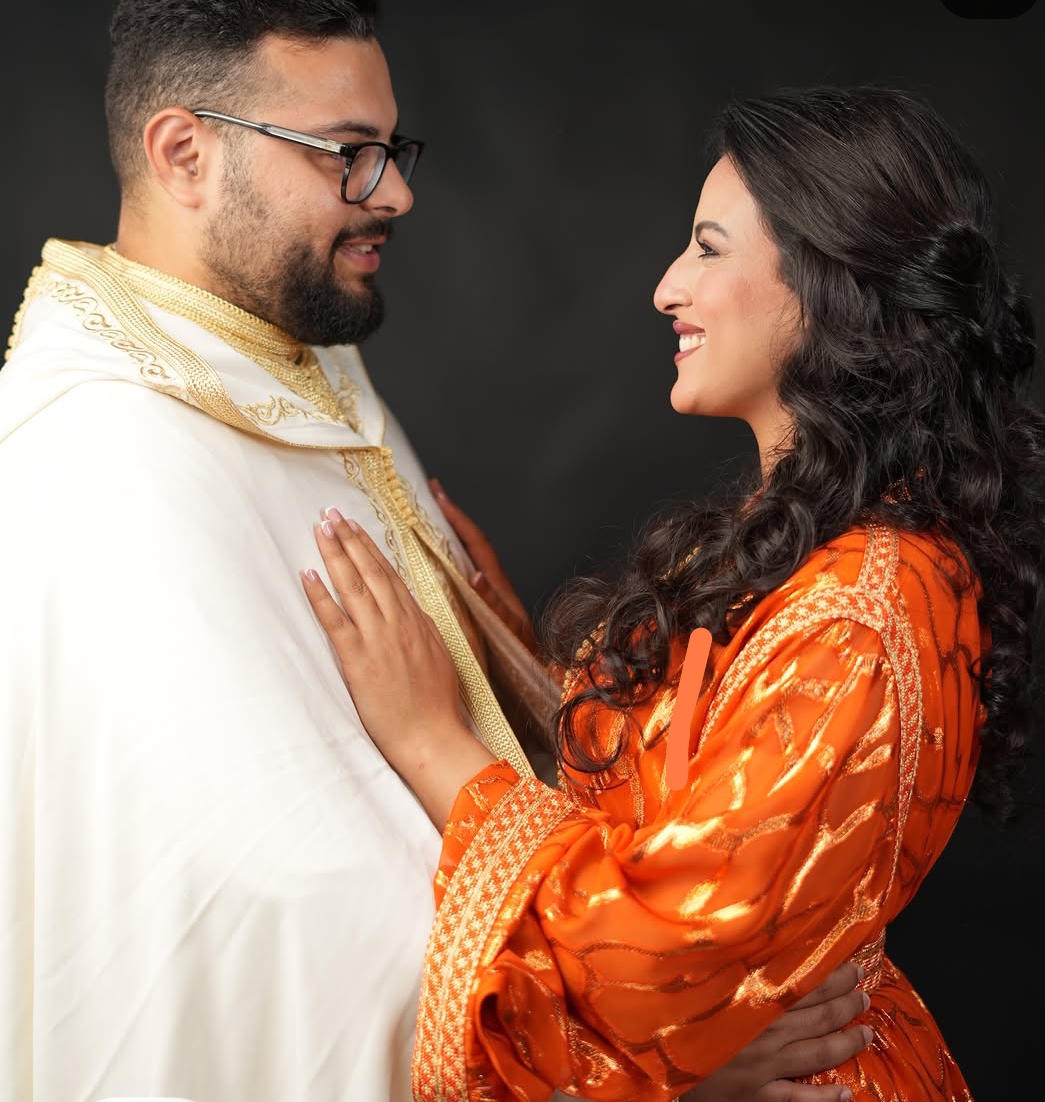
Today, many families blend the authenticity of the rite with modern touches: coordinated décor, professional photography and inventive henna motifs. This blend preserves the spirit of tradition while giving it an elegant presence, suited to new generations without losing its meaning.
FAQ
Why does the bride wear a green caftan on the henna night?
Because green is associated, in Moroccan culture, with blessing, goodness and optimism.
How long do henna motifs last?
Generally one to three weeks, depending on the type of henna and care.
Is the henna night for women only?
Traditionally, women gather around the bride, but many modern weddings make it a mixed celebration.