Article
The Moroccan caftan: history, fabrics and how to choose it
Everything you need to know about the Moroccan caftan: its origins, the difference with the takchita, fabric types and our tips to choose it well.
The origins of the caftan
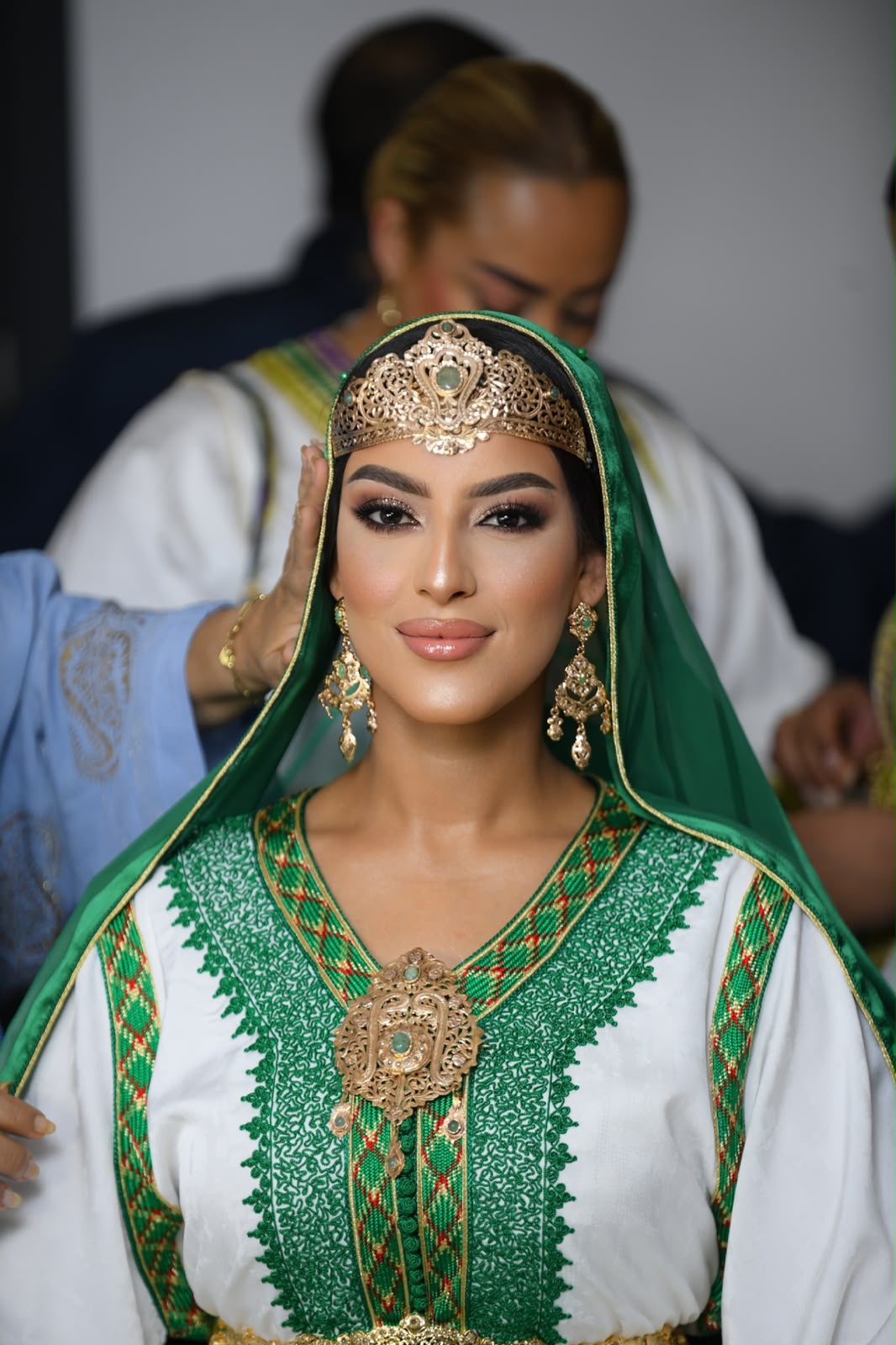
The caftan is an ancestral garment whose roots run deep in Morocco over centuries. It has evolved from royal attire into a symbol of Moroccan elegance worn by everyone on special occasions. The caftan was influenced by the many civilizations that passed through Morocco, yet it kept its own character in cut, embroidery and color, to the point of becoming today an ambassador of Moroccan fashion around the world.
Caftan vs. takchita: what is the difference?
The caftan and the takchita are often confused. The caftan is a single piece, whereas the takchita consists of two pieces: a “tahtiya” covered by a transparent or embroidered “dfina,” usually cinched by a belt called a “mdamma.” Knowing this difference helps you choose the outfit suited to the nature of the event and to your personal taste.
Fabrics and embroidery
Caftans are made from varied fabrics: silk, velvet, brocade and chiffon for lighter looks. Embroidery is the soul of the caftan: from “randa” and “sfifa” to the handmade “aqad.” The quality of the fabric and the finesse of the embroidery are what set a refined caftan apart from an ordinary one.
How to choose the right caftan
To choose the right caftan, start from the occasion, your complexion and your silhouette. Light colors bring brightness during the day, while rich tones like red or emerald suit evening events. Aim for a precise fit, because the caftan reveals its full beauty when tailored to measure.
When to wear the caftan
The caftan is worn at weddings, engagements, naming ceremonies and religious holidays; it also appears at official events and even on international runways. The diversity of its designs allows a classic, sober look or, on the contrary, a modern and bold one depending on the mood.
Caring for and preserving your caftan
To preserve your caftan, favor dry cleaning, especially for embroidered pieces or those adorned with stones. Store it hung in a dry place, away from humidity and direct sun, and use a fabric cover to protect it from dust. Such simple care extends the life of the piece for years.
FAQ
What is the difference between a caftan and a takchita?
The caftan is a single piece; the takchita has two (tahtiya and dfina) cinched by the mdamma belt.
What is the best fabric for a caftan?
It depends on the occasion: silk and velvet for prestigious evenings, chiffon and crepe for lighter looks.
How do I care for an embroidered caftan?
Favor dry cleaning and store it hung, in a dry place, away from sun and humidity.